
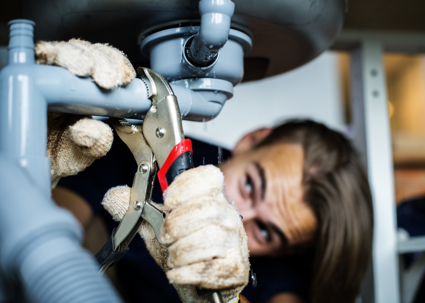
What are common causes of leaks?
Common causes of plumbing leaks include worn-out seals, loose pipe connections, corrosion, high water pressure, and aging pipes. Over time, these issues weaken your plumbing system and allow water to escape. Clogs and buildup can also increase pressure inside pipes, leading to leaks. In Georgetown, TX, hard water and soil movement can contribute to pipe damage and hidden leaks. Plumbpros can perform a professional inspection to locate the source of leaks and help protect your home from further damage.
Why do plumbing components start leaking?
Plumbing systems contain numerous seals, washers, gaskets, valves, fittings, and connections that help keep water contained. These components experience regular use and can gradually deteriorate.
Faucets and other frequently used fixtures are especially susceptible to wear. A damaged washer or seal may initially cause only a small drip, but the leak can become more noticeable as the component continues to deteriorate.
Temperature changes, water pressure, mineral buildup, and normal aging can all contribute to wear. Addressing a small leak early can prevent additional water waste and reduce the chance of moisture damaging nearby cabinets, flooring, or walls.
How do loose pipe connections cause leaks?
Plumbing pipes are joined by fittings and connections throughout a home. Over time, these connections can loosen or deteriorate.
Temperature changes can cause some plumbing materials to expand and contract. Repeated movement may place stress on joints, fittings, and seals. Vibrations from appliances or changes in water pressure can also affect connections.
A loose connection may produce a visible drip beneath a sink, but other leaks can occur behind walls, ceilings, or other concealed areas.
Because hidden connections are difficult to inspect without proper equipment, unexplained moisture or water stains may require professional leak detection.
Why do aging and corroded pipes leak?
Plumbing materials do not last forever. As pipes age, corrosion, mineral deposits, and general deterioration can make them more vulnerable to leaks.
Metal pipes may gradually corrode from the inside or outside. Eventually, weakened sections can develop pinhole leaks, cracks, or larger failures.
Mineral buildup can also affect plumbing over time. Deposits may accumulate inside pipes and fixtures, potentially restricting flow and affecting plumbing performance.
Older homes may contain plumbing materials that have already experienced decades of use. When leaks begin occurring repeatedly in different areas, a plumber may recommend evaluating the overall condition of the plumbing rather than repairing each leak individually.
Can high water pressure cause plumbing leaks?
Water pressure that is consistently too high can place unnecessary stress on a home's plumbing system.
Pipes, fittings, valves, appliance connections, and fixture components are designed to operate within appropriate pressure ranges. Excessive pressure can accelerate wear and make vulnerable components more likely to fail.
Homeowners may notice symptoms such as banging pipes, frequently leaking fixtures, or premature failure of plumbing components. However, water pressure should be measured rather than diagnosed based only on symptoms.
A plumber can test the home's water pressure and determine whether pressure regulation or another repair is appropriate.
Can clogs and buildup contribute to leaks?
Clogs and internal buildup can contribute to plumbing problems, particularly when they restrict normal drainage or place additional stress on vulnerable sections of a system.
Grease, hair, soap residue, food particles, mineral deposits, and other materials can gradually accumulate inside drain lines. As the opening becomes restricted, water may drain slowly or back up.
Leaks can develop at already weakened joints or connections when plumbing problems place additional stress on the system. Severe blockages may also cause water to overflow from fixtures rather than remaining contained within the drain.
Recurring clogs should be professionally evaluated, especially when they occur alongside visible leaks, water stains, or other signs of plumbing damage.
How can hard water contribute to plumbing problems?
Hard water contains dissolved minerals that can leave deposits on plumbing fixtures and inside portions of the plumbing system.
Over time, mineral scale may collect around faucets, valves, connections, water heaters, and other components. This buildup can interfere with normal operation and contribute to deterioration in vulnerable plumbing parts.
Hard water does not automatically mean a home will develop leaks, but mineral accumulation can be one factor affecting long-term plumbing performance.
For Georgetown, TX homeowners, regular plumbing inspections can help identify corrosion, mineral deposits, worn components, and other developing concerns before they result in larger leaks.
Can soil movement cause underground pipe leaks?
Underground water and sewer lines can be affected by changing soil conditions. Movement in the ground may place stress on buried plumbing, particularly at joints or already weakened sections.
Soil can expand, contract, settle, or shift due to changes in moisture and other environmental conditions. Over time, this movement may contribute to cracks, separated connections, or damaged underground pipes.
Because these leaks occur below ground, they can be difficult to identify. Homeowners may notice unexplained increases in water usage, damp areas, unusually green patches of landscaping, or reduced water pressure.
Professional leak detection can help determine whether an underground plumbing line is responsible for these symptoms.
What are the signs of a hidden plumbing leak?
Not every plumbing leak produces visible dripping water. Some leaks occur behind walls, beneath flooring, above ceilings, or under a home's foundation.
An unexplained increase in the water bill can be an early warning sign. Damp spots, water stains, peeling paint, warped flooring, musty odors, or the sound of running water when fixtures are off may also indicate a hidden leak.
Homeowners can also monitor the water meter when no water is intentionally being used. Continued meter activity may indicate water is flowing somewhere in the system, although a plumber may be needed to identify the exact source.
Hidden leaks should be investigated promptly because prolonged moisture can damage building materials and create conditions that support mold growth.
Why is early leak detection important?
A small leak can become more expensive if it remains unnoticed. Water can spread into drywall, insulation, flooring, cabinets, and other building materials before the source becomes obvious.
Early detection allows the plumbing problem to be addressed before additional areas of the home are affected. It can also reduce unnecessary water waste.
Professional plumbers may use visual inspection, pressure testing, acoustic equipment, moisture detection tools, or other methods depending on where the leak is suspected.
Finding the source is an important first step because visible water does not always appear directly beneath the damaged pipe. Water can travel along building materials before becoming noticeable.
FAQ
What are common causes of leaks?
Common causes of plumbing leaks include worn-out seals, loose pipe connections, corrosion, high water pressure, and aging pipes. Over time, these issues weaken your plumbing system and allow water to escape. Clogs and buildup can also increase pressure inside pipes, leading to leaks. In Georgetown, TX, hard water and soil movement can contribute to pipe damage and hidden leaks. Plumbpros can perform a professional inspection to locate the source of leaks and help protect your home from further damage.
How can I tell if I have a hidden plumbing leak?
Possible signs include unexplained increases in water bills, damp areas, water stains, peeling paint, musty odors, warped flooring, or the sound of running water when fixtures are turned off. Professional leak detection can help locate the source.
Can high water pressure cause pipes to leak?
Excessive water pressure can place additional stress on pipes, fittings, valves, fixtures, and appliance connections. Over time, this stress may accelerate wear and contribute to leaks in vulnerable plumbing components.
Should I call a plumber for a small leak?
A small leak should not be ignored because it may worsen or cause hidden water damage over time. A plumber can determine the source of the leak, evaluate the affected plumbing, and recommend an appropriate repair.
Conclusion
Plumbing leaks can develop for many reasons, including worn seals, loose connections, corrosion, aging pipes, excessive water pressure, and plumbing buildup. Hard water, underground soil movement, and hidden deterioration can also contribute to leaks in Georgetown, TX homes.