
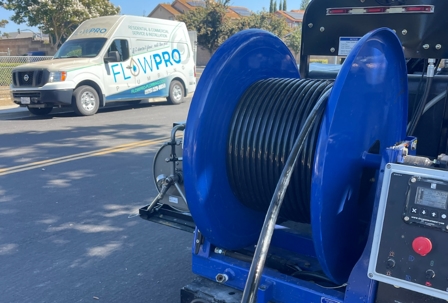
How long does hydro jetting last?
Hydro jetting usually lasts one to two years for most homes, but the results depend on how the plumbing system is used. Homes in Georgetown, TX with heavy water usage or frequent grease and food waste disposal may need the service more often. Newer and well-maintained pipes stay cleaner longer, while older or corroded pipes may build up residue more quickly. If you begin to notice slow drains, recurring clogs, or foul odors, it may be time to schedule another cleaning. Call Plumbpros to get started.
Why does hydro jetting last longer than basic drain cleaning?
Hydro jetting provides a thorough cleaning because it removes buildup from the interior walls of a drain or sewer pipe. High-pressure water is directed through the line to clear grease, sludge, soap residue, mineral deposits, and other debris that can restrict wastewater flow.
Traditional drain snaking generally focuses on creating a path through an obstruction. While this can restore drainage, some buildup may remain attached to the pipe walls. That remaining material can collect new debris and contribute to another clog.
Hydro jetting addresses more of the accumulated residue. Once the interior of the line is cleaner, wastewater can move more freely through the plumbing system. For many Georgetown, TX homeowners, this can mean longer-lasting results between professional cleanings.
What affects how long hydro jetting lasts?
Several factors influence how quickly buildup returns after hydro jetting. One of the most important is how frequently the plumbing system is used.
A household with several occupants may send considerably more wastewater through its pipes than a smaller household. Kitchens that are used frequently may also accumulate grease, oils, food particles, and soap residue faster.
Bathrooms have their own sources of buildup, including hair and personal care products. Laundry lines may collect lint and detergent residue. The more debris that enters the plumbing system, the sooner another cleaning may eventually be needed.
For this reason, the one-to-two-year timeframe should be viewed as a general estimate rather than a guaranteed schedule for every property.
Does pipe material affect hydro jetting results?
The type and condition of the plumbing can influence how long pipes remain clean after hydro jetting.
Newer PVC pipes have relatively smooth interior surfaces. This can make it more difficult for residue to attach to the pipe walls, helping the lines remain cleaner after a thorough hydro jetting service.
Older cast iron plumbing may have rough interior surfaces due to corrosion and scaling. Although hydro jetting can remove substantial buildup from structurally sound cast iron, the rough surface may begin collecting new debris sooner than a smooth PVC line.
Other older pipe materials can have cracks, irregular surfaces, displaced joints, or other imperfections that trap debris. A professional inspection can help identify these conditions and determine whether additional plumbing work is necessary.
Can drain habits affect how long pipes stay clean?
What goes down the drain can make a significant difference in how long hydro jetting results last. Even a professionally cleaned pipe can develop new buildup when problematic materials regularly enter the plumbing system.
Grease and cooking oils are common examples. Although they may enter a kitchen drain as liquids, they can cool and adhere to the interior of the plumbing. Food particles can then stick to these deposits, gradually creating a larger obstruction.
Coffee grounds, rice, pasta, hair, soap residue, and other materials can also contribute to recurring drainage problems. Mineral deposits may create additional buildup over time.
Keeping these materials out of drains whenever possible can help preserve the results of hydro jetting and reduce the likelihood of recurring clogs.
What are the signs that hydro jetting may be needed again?
Homeowners do not necessarily need to schedule hydro jetting on an exact calendar. Paying attention to changes in drainage can help identify when the plumbing system may need professional attention.
Slow-moving drains are one potential warning sign, especially when several fixtures are affected. Recurring clogs can also indicate that buildup is accumulating again.
Unpleasant odors from drains, unusual gurgling sounds, and repeated backups may signal a developing problem within a drain or sewer line. These symptoms can have multiple causes, so a plumbing inspection can help determine what is happening inside the system.
Addressing drainage problems early can prevent a smaller restriction from becoming a more disruptive blockage.
How can homeowners make hydro jetting results last longer?
Good drain habits can help keep pipes cleaner after hydro jetting. Kitchen grease and cooking oil should be disposed of appropriately rather than poured into the sink. Food scraps should also be removed from dishes before washing whenever possible.
Drain screens can help capture hair and larger debris before these materials enter bathroom plumbing. Homeowners should also avoid treating toilets and drains as disposal systems for items that are not intended to enter sewer lines.
Periodic plumbing inspections may also be useful, particularly for older homes or properties with a history of recurring sewer problems. A camera inspection can identify developing buildup or structural concerns before they lead to a major blockage.
Combining professional cleaning with responsible everyday habits gives homeowners a better chance of maintaining clear, efficient plumbing for longer.
Is hydro jetting worth it for recurring clogs?
Hydro jetting can be a valuable option when recurring clogs are caused by substantial buildup inside structurally sound pipes. Because the process cleans the interior walls rather than simply opening a path through an obstruction, it can provide more comprehensive results than basic drain clearing in appropriate situations.
It may be particularly useful for lines affected by grease, sludge, mineral deposits, and years of accumulated debris. Removing this material can improve flow and reduce places where new debris can collect.
However, recurring clogs are not always caused by buildup. Broken pipes, severe corrosion, root intrusion, improper slope, or other structural problems may require repair instead of repeated cleaning. A professional evaluation can help identify the underlying cause and determine whether hydro jetting is the right solution.
FAQ
How long does hydro jetting last?
Hydro jetting usually lasts one to two years for most homes, but the results depend on how the plumbing system is used. Homes in Georgetown, TX with heavy water usage or frequent grease and food waste disposal may need the service more often. Newer and well-maintained pipes stay cleaner longer, while older or corroded pipes may build up residue more quickly. If you begin to notice slow drains, recurring clogs, or foul odors, it may be time to schedule another cleaning. Call Plumbpros to get started.
How often should you hydro jet your pipes?
There is no single schedule that applies to every home. Many homeowners may go one to two years between hydro jetting services, while properties with frequent clogs, heavy plumbing usage, or faster buildup may require cleaning sooner.
How do you know when you need hydro jetting again?
Slow drains, recurring clogs, unpleasant drain odors, gurgling sounds, and repeated backups can indicate that a plumbing line needs attention. A professional inspection can determine whether new buildup has formed and whether hydro jetting is appropriate.
Can you make hydro jetting results last longer?
Yes. Keeping grease, oils, food waste, hair, and other debris out of drains can help slow new buildup. Using drain screens and addressing plumbing problems promptly can also help keep lines flowing properly after hydro jetting.
Conclusion
Hydro jetting can provide long-lasting drain and sewer cleaning, with results often lasting one to two years depending on the household and plumbing system. Usage patterns, pipe material, pipe condition, and everyday drain habits all influence how quickly buildup returns.