
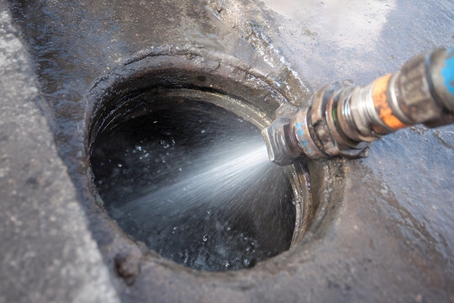
"What pipes can hydrojetting clean?" is a question many Georgetown, TX, homeowners ask when they are dealing with slow drains, recurring clogs, or heavy buildup inside their plumbing system. Because hydrojetting uses a strong stream of high pressure water, it is natural for homeowners to wonder whether their specific pipe material can safely handle the process. Hydrojetting is one of the most effective cleaning methods available, but the pipe must be in good condition and made from a material that works well with this technique. Understanding which pipes are compatible helps protect your plumbing system and ensures you receive the right service for your home.
Hydrojetting is designed to clear grease, sludge, scale, and debris from the interior of the pipe. When the correct pressure level is used, it can restore the pipe to near original condition. The key is to match the cleaning method with the material and condition of the pipe. Below is a detailed explanation of which pipes can be cleaned with hydrojetting and when special precautions are needed.
Hydrojetting and PVC Pipes
PVC is the most common pipe material found in newer Georgetown homes. It is durable, smooth on the inside, and resistant to corrosion. These qualities make PVC an excellent candidate for hydrojetting. The smooth surface allows the water pressure to remove buildup efficiently, and the material is strong enough to handle the controlled force used by professional equipment.
As long as the PVC pipe is not cracked or weakened, hydrojetting is one of the best ways to remove grease, soap residue, and mineral deposits. A trained plumber can adjust the pressure to match the pipe size, ensuring safe and effective cleaning.
Hydrojetting and Copper Pipes
Copper pipes are known for their strength and longevity, which makes them suitable for hydrojetting when used in certain drain applications. While copper is typically used for water supply lines, it may also be found in some drainage setups. Copper can handle pressure well, but like any metal, it can develop weak points if corrosion is present.
Before hydrojetting, a plumber will inspect the copper pipe to confirm there are no signs of deterioration. When the pipe is in good condition, hydrojetting can remove scale, residue, and buildup effectively.
Hydrojetting and Cast Iron Pipes
Cast iron pipes are common in older Georgetown neighborhoods. Cast iron is thick and strong, and hydrojetting can remove heavy deposits and internal scaling that form over decades. The pressure from hydrojetting is often more effective for cast iron than traditional snaking because cast iron tends to collect tough debris that snaking cannot remove.
However, cast iron can deteriorate internally. A camera inspection is required to confirm the pipe is strong enough for hydrojetting. If the pipe is structurally sound, hydrojetting can significantly improve flow and extend the life of the cast iron line.
Hydrojetting and Clay Pipes
Clay pipes were used in many older sewer systems. When clay pipes are intact and properly supported, hydrojetting can be used to remove roots, mineral buildup, and heavy debris. Clay pipes are brittle compared to PVC or cast iron, so an inspection is essential before applying pressure. If the pipe is cracked or shifted, repairs may be needed before hydrojetting.
Hydrojetting and Orangeburg Pipes
Orangeburg is a fiber-based pipe that was installed in some older homes. It is not strong enough for hydrojetting. Over time, Orangeburg pipes weaken, warp, and become soft. The pressure from hydrojetting could cause the pipe to collapse. If Orangeburg is found during inspection, replacement is recommended instead of cleaning.
Why Inspection Matters Before Hydrojetting
A camera inspection is the most important step before hydrojetting any pipe material. This inspection helps identify:
The exact pipe material
Cracks, weak spots, or structural issues
The severity and location of buildup
Whether the pipe can safely handle pressure
The correct pressure level for the cleaning
Georgetown homes range from older properties with mixed pipe materials to newer builds with full PVC systems. Inspection ensures the cleaning method matches the condition of the plumbing.
Benefits of Hydrojetting for Georgetown Homeowners
Hydrojetting offers several advantages when used on the right pipe material.
Complete interior cleaning
Hydrojetting removes debris from the full diameter of the pipe instead of clearing a small passage.
Chemical free
Hydrojetting avoids the risks of drain cleaners that can weaken pipes.
Effective for root removal
If the pipe is in good condition, hydrojetting can cut through and clear intrusive roots.
Long lasting results
Because hydrojetting removes buildup completely, the pipe stays clear longer.
Final Thoughts
Hydrojetting can clean most modern and traditional plumbing materials, including PVC, copper, cast iron, and clay. The exception is Orangeburg, which is too fragile for this method. The safest approach is to have a licensed plumber inspect your system and determine which cleaning method is best. For Georgetown, TX, homeowners, hydrojetting is a powerful and reliable option when the pipe material is appropriate and the system is confirmed to be in stable condition.
If you want to find out whether your pipes are suitable for hydrojetting, schedule a professional inspection today.
Call PlumbPros to get started.
Read the FAQ
What pipes can hydrojetting clean