
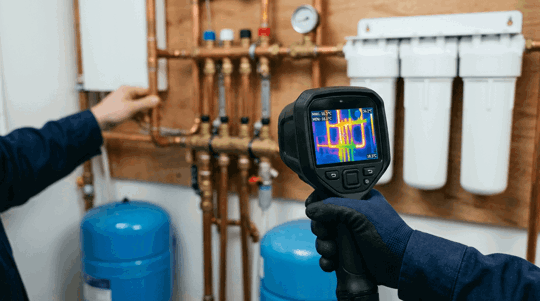
How does the most effective water treatment system affect your plumbing system?
The most effective water treatment system reduces targeted contaminants while supporting the needs of your household and plumbing system. Reverse osmosis can address many contaminants, but it is not automatically the right choice for every home. In Round Rock, Texas, selecting an appropriate method begins with understanding the water concerns that need to be addressed.
How Water Treatment Interacts With Your Plumbing System
A water treatment system processes water before it reaches selected fixtures or moves throughout the home. Its effect on the plumbing system depends on the treatment method, where the equipment is installed, and which water concerns it is intended to address.
Some systems treat water at a single fixture, while others process water before it is distributed through a larger portion of the plumbing system. The correct arrangement depends on whether the household wants to address drinking water at one location or improve water quality more broadly.
Choosing an effective system requires more than selecting a familiar filtration technology. The treatment method should correspond to the specific substances present in the water. Household preferences also matter, including the amount of treated water needed, the intended uses for that water, and the preferred placement of the equipment.
When these considerations are evaluated together, the treatment system can perform its intended role without being treated as a universal solution for every water concern.
Is Reverse Osmosis the Best Water Treatment Option?
Reverse osmosis is effective at reducing a wide variety of contaminants. An RO system moves water through a specialized membrane that separates certain unwanted substances from the treated water. This makes reverse osmosis a practical option when its capabilities align with the contaminants a household wants to reduce.
However, reverse osmosis is not automatically the best treatment method for every home or plumbing system. A system that performs well for one water concern may not be the most appropriate response to another. The decision should be based on the substances being addressed rather than on the assumption that one technology is always superior.
The scope of treatment is another consideration. A household primarily concerned with water used for drinking or cooking may have different needs from one seeking treatment for water supplied throughout the home. Equipment location and the existing plumbing configuration can influence which setup is practical.
In other words, the most effective treatment system is the one selected for the actual water conditions and household goals. Reverse osmosis may be suitable in many situations, but its broad filtration capabilities do not eliminate the need to identify the specific concern first.
What Factors Determine the Right Filtration Method?
Several connected factors help determine which water treatment method is appropriate:
The specific contaminants that need to be reduced
Whether treatment is needed at one fixture or across the home
How the household plans to use the treated water
The available installation location
The configuration and condition of the existing plumbing
The household’s preferences for operation and upkeep
Identifying the water concern is the starting point because different filtration technologies address different substances. Appearance, taste, or odor may help reveal that something has changed, but those characteristics alone do not establish which treatment method is appropriate.
The existing plumbing system should also be considered. Available space, connection points, water use, and the desired treatment location can affect how equipment fits into the home. Reviewing these details helps ensure that the selected method matches both the treatment goal and the plumbing arrangement.
Water Treatment Considerations in Round Rock, Texas
For a home in Round Rock, Texas, water treatment should be selected according to the conditions at that property rather than a general assumption about every home in the area. Even households in the same community can have different preferences, plumbing configurations, and concerns about their water.
A focused evaluation can clarify whether treatment is needed for drinking water at a particular fixture or for a wider part of the plumbing system. It can also help distinguish between concerns that reverse osmosis may address and those that may call for another filtration approach.
Connecting the treatment method to the actual concern helps prevent unnecessary equipment choices and keeps the decision focused on how the household uses its water.
Does the Most Advanced System Always Work Best?
A common misconception is that the most advanced or comprehensive water treatment system is automatically the most effective option. Effectiveness depends on whether the system addresses the substances present and fits the household’s intended use.
A system with broad capabilities may offer features that are not relevant to a particular home. Conversely, a more focused filtration method may be appropriate when the concern is limited and clearly understood. The goal is not to choose the most complex equipment, but to choose treatment that matches the water and plumbing conditions.
FAQ
Can reverse osmosis reduce every contaminant in household water?
Reverse osmosis can reduce many contaminants, but no single treatment method should be assumed to address every possible water concern. System selection should reflect the specific substances being targeted.
Should water be evaluated before choosing a treatment system?
Understanding the contaminants or water concerns being addressed helps determine which filtration technology is appropriate and whether reverse osmosis aligns with the household’s needs.
Can a water treatment system serve only one fixture?
Yes. Some systems treat water at a particular fixture, while other configurations process water for a larger part of the home. The appropriate scope depends on household preferences.
Does the existing plumbing affect treatment system selection?
Yes. The plumbing configuration, available installation space, connection points, and intended treatment location can influence which type of system and setup are practical.
How does the most effective water treatment system affect your plumbing system?
The most effective water treatment system reduces the specific contaminants present in your water while matching your household preferences. Reverse osmosis can reduce a wide variety of contaminants, but it is not automatically the best option for every plumbing system. In Round Rock, Texas, the right filtration method depends on the contaminants being addressed.
Conclusion
The most effective water treatment system is one that targets the identified contaminants, fits the existing plumbing configuration, and supports how the household intends to use the treated water. Reverse osmosis can reduce many contaminants, but it is not the best choice in every situation.