
What Are the Common Signs and Causes of Sewer Line Problems?
Common signs of sewer line problems include slow drains, sewer gas odors, gurgling drains, and frequent backups. These issues are often caused by collapsed pipes, tree root intrusion, pipe corrosion, leaking joints, or sections of pipe that have settled. Homeowners in Round Rock, Texas should have these warning signs inspected promptly to help prevent further damage.
What Are the Most Common Signs of Sewer Line Problems?
Sewer line problems often begin with subtle warning signs before developing into larger plumbing issues. Recognizing these symptoms early can help prevent additional damage to your plumbing system and reduce the likelihood of more extensive repairs.
Some of the most common signs include:
Slow draining sinks, tubs, or showers
Frequent drain backups
Gurgling sounds coming from drains or toilets
Sewer gas odors inside or outside the home
Multiple plumbing fixtures draining poorly at the same time
While one slow drain may indicate a localized clog, several fixtures experiencing problems together can suggest an issue within the main sewer line. Paying attention to these warning signs can help homeowners determine when professional plumbing services may be appropriate.
What Causes Sewer Line Problems?
Several conditions can contribute to sewer line damage over time. Some develop gradually through normal wear, while others occur because of changes in the surrounding soil or nearby vegetation.
Tree Root Intrusion
Tree roots naturally seek moisture and can enter small openings or joints in underground sewer pipes. As roots continue growing, they may restrict water flow or create larger openings that interfere with the pipe's performance.
Pipe Corrosion
Older metal sewer pipes may corrode over time. As corrosion progresses, pipes can weaken, allowing leaks or reducing the system's ability to move wastewater efficiently.
Collapsed Pipes
Ground movement, aging materials, or external pressure can sometimes cause sections of a sewer line to collapse. A collapsed pipe can significantly restrict or completely block wastewater flow.
Leaking Pipe Joints
Pipe joints may shift or separate as the ground settles naturally. Even small gaps can allow water to escape or create entry points for roots and debris.
Bellied Sewer Pipes
A bellied sewer line occurs when part of the pipe settles lower than surrounding sections. This low area allows water and waste to collect instead of flowing normally, increasing the likelihood of recurring drainage issues.
Why Early Inspection Matters
Many sewer line issues become more difficult to address when left unnoticed. Minor warning signs can gradually develop into larger plumbing problems that affect multiple drains throughout the home.
If homeowners notice repeated backups, unpleasant sewer odors, or gurgling noises, scheduling a professional plumbing inspection can help identify the underlying cause before additional damage occurs.
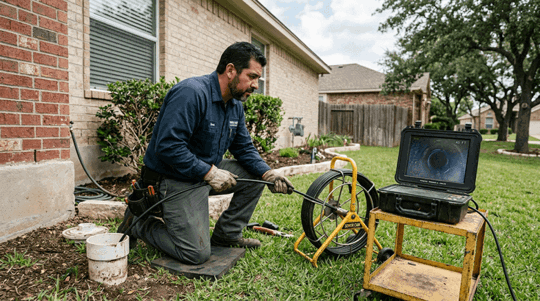
Modern diagnostic equipment allows plumbers to evaluate sewer lines more accurately and determine whether the issue involves roots, corrosion, pipe separation, or another condition. This helps ensure that the recommended solution addresses the actual source of the problem rather than only treating the symptoms.
For homeowners in Round Rock, Texas, recognizing these early warning signs and arranging a timely inspection can help protect the overall plumbing system.
Myth: A Single Slow Drain Always Means a Sewer Line Problem
A common misconception is that every slow drain indicates a damaged sewer line.
In reality, a single slow drain is often caused by a localized blockage near that fixture. Sewer line problems are more likely when several drains experience slow drainage simultaneously or when slow drains are accompanied by sewer odors, gurgling sounds, or recurring backups. A professional inspection can help determine the actual cause.
How Professional Plumbing Services Help Diagnose Sewer Line Issues
Because sewer lines are buried underground, determining the exact problem often requires specialized equipment and experience. Professional plumbers can inspect the system, identify the source of the issue, and recommend an appropriate repair based on the pipe's condition.
Early diagnosis can also help prevent unnecessary strain on the rest of the plumbing system by addressing developing issues before they worsen.
FAQ
Can tree roots really damage sewer pipes?
Yes. Tree roots can enter small openings in sewer pipes, continue growing inside the line, and eventually restrict wastewater flow or damage the pipe itself.
Are sewer gas odors a sign of a plumbing problem?
Yes. Persistent sewer gas odors may indicate a sewer line issue, damaged pipe, or another plumbing problem that should be professionally evaluated.
Why do drains make gurgling sounds?
Gurgling often occurs when air becomes trapped because wastewater is not flowing normally through the plumbing or sewer line.
When should a sewer line be inspected?
A sewer line should be inspected if you experience recurring slow drains, frequent backups, sewer odors, or multiple plumbing fixtures showing signs of drainage problems.
What Are the Common Signs and Causes of Sewer Line Problems?
Common signs of sewer line problems include slow drains, sewer gas odors, gurgling drains, and frequent backups. These issues are often caused by collapsed pipes, tree root intrusion, pipe corrosion, leaking joints, or sections of pipe that have settled. Homeowners in Round Rock, Texas should have these warning signs inspected promptly to help prevent further damage.
Conclusion
Slow drains, sewer gas odors, gurgling drains, and recurring backups are among the most common warning signs of sewer line problems. These issues may result from collapsed pipes, tree root intrusion, corrosion, leaking joints, or sections of pipe that have settled. Recognizing these symptoms early can help homeowners address problems before they become more significant.