
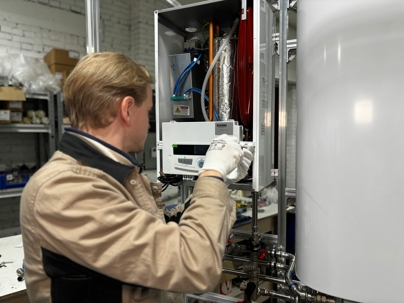
At what age should you replace a water heater? This is a common and important question for homeowners in Georgetown, TX, especially when a unit starts showing signs of wear or reduced performance. Water heaters often run quietly for years, which makes it easy to overlook their condition until something goes wrong. Knowing the typical lifespan of a water heater and recognizing early warning signs can help you avoid emergency breakdowns, water damage, and higher replacement costs.
Most traditional tank water heaters last between eight and twelve years, while tankless systems can last longer with proper maintenance. Replacing a water heater at the right time is about more than age alone. It also involves efficiency, safety, and long-term cost savings. Waiting too long to replace an aging unit can lead to leaks, unreliable hot water, and unexpected repair expenses.
Average lifespan of traditional tank water heaters
Traditional tank-style water heaters store hot water continuously, which means the interior of the tank is always exposed to minerals and moisture. Over time, this leads to sediment buildup and corrosion. In Georgetown, TX, hard water speeds up this process, often shortening the lifespan of tank water heaters.
Most manufacturers estimate the lifespan of a tank water heater to be eight to twelve years. Once a unit reaches ten years old, the likelihood of failure increases significantly. Even if the heater is still producing hot water, internal components such as the anode rod and tank lining may be deteriorating. At this stage, replacement is often the safer and more reliable option.
Lifespan of tankless water heaters
Tankless water heaters do not store water, which reduces the risk of tank corrosion. Because of this design, tankless systems often last up to twenty years when properly maintained. However, they still contain internal components that wear out over time.
Mineral scale can build up inside the heat exchanger if routine maintenance is skipped. In Georgetown homes with hard water, this buildup can reduce efficiency and shorten the system’s lifespan. When major components begin to fail or repairs become frequent, replacement becomes the more cost-effective choice.
Warning signs that replacement may be needed
Age is not the only factor to consider when deciding to replace a water heater. Certain warning signs indicate that the system may be nearing the end of its useful life.
Common signs include:
Inconsistent water temperature
Reduced hot water supply
Rust-colored or cloudy water
Popping or rumbling noises from the tank
Visible corrosion on the unit
Water pooling near the base of the heater
A leaking tank is one of the most serious warning signs. In most cases, a leaking tank cannot be repaired and requires immediate replacement. Replacing the unit before a leak occurs helps prevent water damage to floors, walls, and nearby belongings.
Why replacing early can save money
Replacing a water heater before it fails allows homeowners to plan the installation instead of dealing with an emergency. Emergency replacements often cost more due to after-hours service, rushed scheduling, and potential water damage cleanup.
Older water heaters are also less efficient. Sediment buildup forces the system to work harder to heat water, which increases energy usage and raises utility bills. Newer water heaters are designed to be more energy efficient and provide more consistent hot water, which can lower monthly operating costs.
Repair versus replacement considerations
For water heaters that are less than eight years old, repairs are often the best option if the issue is minor. Common repairs such as replacing a thermostat or heating element can extend the life of a newer system.
Once a unit reaches ten years or more, repairs become less reliable. A common guideline plumbers use is the fifty percent rule. If the cost of a repair is close to half the cost of a new water heater, replacement is usually the better investment. Continuing to repair an aging system often leads to repeated service calls and higher long-term costs.
The value of a professional inspection
A licensed plumber can inspect the water heater, evaluate its condition, and determine whether replacement is necessary. In Georgetown, TX, inspections are especially important due to mineral-heavy water that accelerates sediment buildup. A professional evaluation helps homeowners make an informed decision and avoid unnecessary expenses.
An inspection also provides an opportunity to explore upgrade options, such as higher-efficiency tank models or tankless systems that better match household demand.
Final thoughts
Most traditional tank water heaters should be replaced around ten to twelve years old, while tankless systems can last closer to twenty years with proper maintenance. For homeowners in Georgetown, TX, replacing a water heater before it leaks or loses efficiency helps prevent emergency damage and higher replacement costs. Warning signs such as age, inconsistent hot water, unusual noises, or corrosion indicate that replacement may be the safer option.
A professional inspection can confirm the condition of your water heater and help you choose the most cost-effective solution for your home.
Call PlumbPros to get started.
Read the FAQ
At what age should you replace a water heater?