
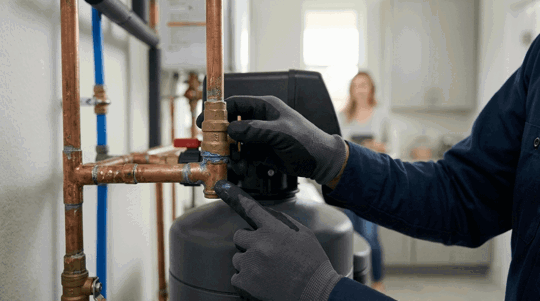
What Are Disadvantages of Soft Water?
The two main disadvantages of soft water are increased pipe corrosion and higher sodium content. Soft water can gradually wear away metal plumbing, potentially allowing metals such as copper and lead to enter drinking water. Water softening systems can also add sodium, which may be a concern for individuals following low-sodium diets or managing certain health conditions.
Why Can Soft Water Cause Pipe Corrosion?
One of the most common concerns associated with soft water is its tendency to be more corrosive than hard water. Because soft water contains fewer dissolved minerals, it can more readily dissolve certain metals found in plumbing systems.
Over time, this process may affect metal pipes, fittings, and fixtures. As corrosion occurs, small amounts of metals such as copper or lead can enter the water supply. While corrosion develops gradually, it is an important consideration for homeowners with older plumbing systems.
Common signs that may indicate pipe corrosion include:
Metallic-tasting water
Blue-green stains around fixtures
Discolored water
Frequent plumbing leaks
Visible corrosion on exposed pipes
If these signs appear, professional plumbing services can help identify whether pipe corrosion is contributing to the issue.
What Causes Increased Corrosion in Soft Water?
The primary cause of increased corrosion is soft water's lower mineral content. Hard water naturally contains minerals such as calcium and magnesium, which can form a protective layer inside plumbing pipes over time.
When water is softened through an ion-exchange system, those hardness minerals are removed. Without that mineral layer, water may interact more directly with metal plumbing components. As a result, metal surfaces can gradually deteriorate.
This does not mean every home with soft water will experience severe corrosion. Factors such as pipe materials, water chemistry, and the age of the plumbing system can all influence the likelihood and severity of corrosion.
How Does Water Softening Increase Sodium Levels?
The second major disadvantage of soft water involves increased sodium content. Many water softeners use an ion-exchange process to remove hardness minerals.
During this process:
Calcium and magnesium are removed from the water.
Sodium ions replace those hardness minerals.
The softened water flows through the home's plumbing system.
As a result, the water contains more sodium than it did before treatment.
For many households, the additional sodium may not be a significant concern. However, individuals who follow sodium-restricted diets or manage conditions such as high blood pressure may wish to discuss their water quality options with appropriate professionals.
Some homeowners also notice a slight change in water taste after installing a water softening system due to the added sodium.
Understanding Soft Water Concerns in Austin, Texas
Many homeowners in Austin, Texas use water treatment systems to address hard water issues. While soft water can provide benefits such as reducing mineral buildup on fixtures and appliances, it is important to understand the potential drawbacks as well.
Homeowners should be aware of how softened water interacts with their plumbing systems and how water treatment methods may affect sodium levels. Regular plumbing inspections can help identify early signs of corrosion before they become more significant problems.
For residents in Austin, Texas, balancing water quality needs with plumbing system protection is an important part of maintaining a healthy and efficient home.
Myth: Soft Water Is Always Better Than Hard Water
A common misconception is that soft water is automatically better in every situation.
In reality, both hard and soft water have advantages and disadvantages. While soft water can reduce mineral scale buildup and improve soap performance, it may also contribute to pipe corrosion and increased sodium content. Understanding both sides helps homeowners make informed decisions about water treatment.
Recognizing the Two Main Disadvantages of Soft Water
The two primary disadvantages of soft water remain increased pipe corrosion and higher sodium levels. Soft water's reduced mineral content can make it more corrosive to certain plumbing materials, while ion-exchange softening systems introduce sodium into the water supply.
Recognizing these factors allows homeowners to better understand how their water treatment systems may affect both plumbing performance and water quality.
FAQ
How can I tell if soft water is corroding my pipes?
Common signs include metallic-tasting water, blue-green staining around fixtures, discolored water, and recurring plumbing leaks. A plumbing inspection can help determine whether corrosion is present.
Does all soft water contain added sodium?
Not all soft water contains added sodium, but most ion-exchange water softeners replace hardness minerals with sodium, increasing sodium levels in the treated water.
Is soft water harmful to drink?
Soft water is generally considered safe for many people, but added sodium may be a concern for individuals on sodium-restricted diets or with certain health considerations.
Can newer plumbing systems still experience corrosion from soft water?
While newer plumbing materials may be more resistant, corrosion can still occur depending on water chemistry, plumbing materials, and overall system conditions.
FAQ: https://www.plumbprostx.com/faq/#what-are-disadvantages-of-soft-water
Conclusion
The two most common disadvantages of soft water are increased pipe corrosion and higher sodium content. Soft water can gradually affect metal plumbing and may increase sodium levels through the water softening process. Understanding these potential drawbacks helps homeowners make informed decisions about water treatment and plumbing maintenance.
If you have questions about how water quality may affect your plumbing system, PlumbPros provides professional plumbing services, leak detection, drain cleaning, and water heater repair to help homeowners in Austin, Texas maintain safe and reliable plumbing systems.