
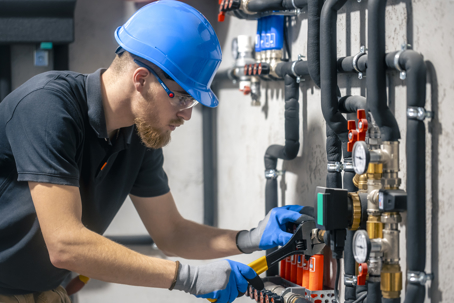
What does plumbing maintenance include?
Plumbing maintenance typically includes checking for leaks in pipes, faucets, and fixtures, inspecting and cleaning drains and traps, testing water pressure and temperature, and verifying that valves and shut-off systems work properly. Regular maintenance may also include inspecting water heaters and other plumbing components to help keep the system operating efficiently and identify potential issues early.
What Is Included in a Plumbing Maintenance Checklist?
A comprehensive plumbing maintenance checklist is designed to evaluate the overall condition of a plumbing system and identify issues before they become larger problems. While the exact tasks may vary depending on the property, several key inspections are commonly included.
Typical plumbing maintenance tasks include:
Checking for leaks in pipes, faucets, and fixtures
Inspecting and cleaning drains and traps
Testing water pressure throughout the system
Verifying water temperature settings
Inspecting shut-off valves and control valves
Examining exposed plumbing connections for wear or corrosion
Evaluating the condition of water heaters and related components
These routine checks help ensure that plumbing systems continue functioning as intended and allow homeowners to address minor concerns before they lead to more extensive repairs.
Why Are Leak Inspections Important?
One of the most important parts of plumbing maintenance is checking for leaks. Even a small leak can waste water and potentially cause damage if it goes unnoticed for an extended period.
Maintenance inspections often focus on:
Faucets and fixtures
Supply lines
Pipe connections
Toilet components
Under-sink plumbing
By identifying leaks early, homeowners can better understand the condition of their plumbing system and determine whether repairs may be needed. Regular leak inspections are especially beneficial for older plumbing systems where wear and tear can develop over time.
How Do Drain and Trap Inspections Help?
Drain and trap inspections are another essential component of plumbing maintenance. Over time, drains can accumulate soap residue, grease, debris, and other materials that may restrict water flow.
During maintenance, plumbing professionals may:
Inspect drain performance
Look for signs of slow drainage
Check traps for buildup
Clean accessible components when necessary
Routine drain inspections can help identify developing blockages before they become severe enough to affect daily plumbing use. Maintaining clean drains also contributes to the overall efficiency of the plumbing system.
Plumbing Maintenance in Georgetown, Texas
Homeowners in Georgetown, Texas often benefit from routine plumbing maintenance because plumbing systems experience daily use throughout the year. Regular inspections can help identify concerns involving leaks, drains, valves, and water heaters before they become more difficult to address.
In Georgetown, Texas, seasonal temperature changes and normal household wear can place stress on plumbing components over time. Scheduling periodic maintenance allows homeowners to stay informed about the condition of their plumbing system and make informed decisions regarding repairs or replacements when necessary.
Myth: Plumbing Maintenance Is Only Necessary When Something Breaks
A common misconception is that plumbing maintenance is only needed after a problem occurs.
In reality, plumbing maintenance is intended to identify potential issues before they cause noticeable disruptions. Checking for leaks, testing water pressure, inspecting drains, and verifying valve operation can provide valuable information about the condition of the system even when everything appears to be working normally.
Routine maintenance focuses on prevention and monitoring rather than waiting for a plumbing issue to develop.
What Other Components May Be Inspected?
In addition to leaks, drains, and valves, plumbing maintenance may include evaluating other important components throughout the home.
These may include:
Water heaters
Pressure regulators
Toilet mechanisms
Hose bibs and outdoor plumbing fixtures
Appliance water connections
A complete maintenance visit provides a broader view of the plumbing system and helps ensure all major components are functioning properly.
FAQ
How often should plumbing maintenance be performed?
The appropriate schedule depends on the property's plumbing system, age, and usage. Many homeowners choose periodic inspections to help monitor system condition and identify developing issues.
Does plumbing maintenance include water heater inspections?
Yes. Plumbing maintenance often includes inspecting water heaters for signs of wear, proper operation, and potential issues that may affect performance.
Can plumbing maintenance help identify hidden leaks?
Maintenance inspections may reveal signs of hidden leaks through visual inspections, pressure testing, and evaluation of plumbing components throughout the property.
What is checked during a plumbing valve inspection?
Plumbing professionals typically verify that shut-off valves and control valves operate properly and can be accessed when needed.
FAQ: https://www.plumbprostx.com/faq/#what-does-plumbing-maintenance-include
Conclusion
Plumbing maintenance includes a variety of important inspections and checks, including leak detection, drain and trap inspections, water pressure testing, temperature verification, valve testing, and evaluations of major plumbing components such as water heaters. These routine services help provide a clearer understanding of the overall condition of a plumbing system.
If you would like professional assistance evaluating your plumbing system in Georgetown, Texas, PlumbPros provides plumbing services designed to help homeowners assess and maintain their plumbing components with confidence and clarity.