
How Long Does a Tankless Water Heater Last?
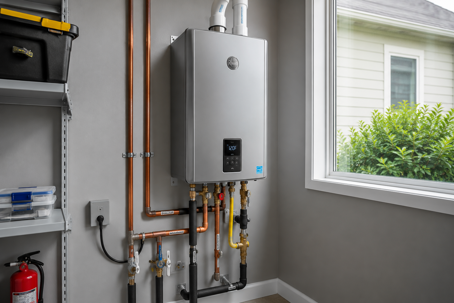
A tankless water heater typically lasts 15 to 20 years, and some high-quality models may last even longer. This lifespan is considerably longer than that of traditional tank-style water heaters, which generally last 8 to 12 years. With proper maintenance and regular inspections, homeowners can often maximize the performance and longevity of their tankless systems.
Why Do Tankless Water Heaters Last Longer?
Tankless water heaters are designed differently from traditional storage tank systems. Instead of continuously heating and storing water, they heat water only when it is needed. This on-demand operation reduces wear and tear on the unit and eliminates many of the issues associated with storing hot water for extended periods.
Traditional water heaters often experience corrosion and sediment buildup inside the storage tank over time. Because tankless systems do not store water, they avoid many of these common problems. As a result, they generally remain efficient and functional for a longer period.
For many homeowners, the extended lifespan is one of the primary reasons for choosing a tankless water heater over a conventional model.
What Factors Affect the Lifespan of a Tankless Water Heater?
Although tankless water heaters commonly last between 15 and 20 years, several factors can influence their longevity.
Water Quality
Hard water can contribute to mineral buildup inside the unit. Over time, scale accumulation may reduce efficiency and place additional strain on internal components. Regular descaling can help minimize these effects.
Maintenance Practices
Routine maintenance plays a significant role in maximizing equipment life. Periodic inspections, cleaning, and flushing help keep the system operating efficiently and may prevent premature component failure.
Installation Quality
Proper installation is essential for long-term performance. A correctly sized and professionally installed unit is more likely to operate efficiently and experience fewer issues throughout its service life.
Usage Demands
Households with higher hot water demands may place additional stress on their systems. While tankless units are designed to handle regular usage, excessive demand can contribute to wear over time.
How Does a Tankless Water Heater Compare to a Traditional Water Heater?
One of the most noticeable differences between tankless and traditional water heaters is lifespan.
A standard tank-style water heater generally lasts around 8 to 12 years. In comparison, a tankless water heater often remains in service for 15 to 20 years or more. This means homeowners may replace a traditional water heater twice during the period that a well-maintained tankless system remains operational.
Tankless systems also feature replaceable components in many cases, allowing certain parts to be repaired or upgraded rather than requiring complete system replacement.
Because of these advantages, many homeowners view tankless water heaters as a long-term investment in their home's plumbing system.
Tankless Water Heater Longevity in Pflugerville, Texas
Homeowners in Pflugerville, Texas often rely heavily on their water heating systems throughout the year. Whether supplying hot water for showers, laundry, or household cleaning, a dependable water heater is an important part of daily life.
In Pflugerville, Texas, regular maintenance can be especially beneficial for preserving the lifespan of a tankless water heater. Routine inspections and cleaning help identify potential issues before they become more significant problems.
Homeowners who stay proactive with maintenance often enjoy reliable performance and can help their systems reach or exceed their expected service life.
Common Myth About Tankless Water Heater Lifespan
A common misconception is that tankless water heaters last forever.
While tankless systems are known for their durability and extended lifespan, they are not immune to wear and aging. Like any mechanical equipment, they require maintenance and will eventually need replacement. However, their average lifespan of 15 to 20 years is significantly longer than that of many traditional tank-style systems.
Signs Your Tankless Water Heater May Be Aging
Even long-lasting systems eventually show signs of wear. Some indicators that a tankless water heater may be nearing the end of its lifespan include:
Reduced hot water performance
Inconsistent water temperatures
Frequent repairs
Unusual noises during operation
Error codes or recurring system issues
These signs do not necessarily mean immediate replacement is required, but they may indicate that the unit should be inspected by a plumbing professional.
FAQ
Can a tankless water heater last more than 20 years?
Yes. Some high-quality tankless water heaters can exceed 20 years of service when properly maintained and operated under favorable conditions.
Does maintenance really affect tankless water heater lifespan?
Yes. Routine maintenance, including flushing and inspections, helps reduce buildup and wear, which can contribute to a longer service life.
Are tankless water heaters more durable than traditional water heaters?
Generally, yes. Tankless water heaters typically last 15 to 20 years, while traditional tank-style systems often last about 8 to 12 years.
What is the biggest threat to a tankless water heater's lifespan?
Mineral buildup from hard water is one of the most common factors that can affect performance and shorten the lifespan of a tankless unit if left untreated.
FAQ: https://www.plumbprostx.com/faq/#how-long-does-a-tankless-water-heater-last
Conclusion
Tankless water heaters typically last between 15 and 20 years, with some models lasting even longer when properly maintained. Their extended lifespan is one of the key advantages they offer compared to traditional tank-style water heaters, which generally last 8 to 12 years.
If you have questions about your home's water heating system or need professional plumbing services, water heater repair, leak detection, or drain cleaning in Pflugerville, Texas, the team at PlumbPros can help you understand your options and keep your plumbing system operating efficiently.